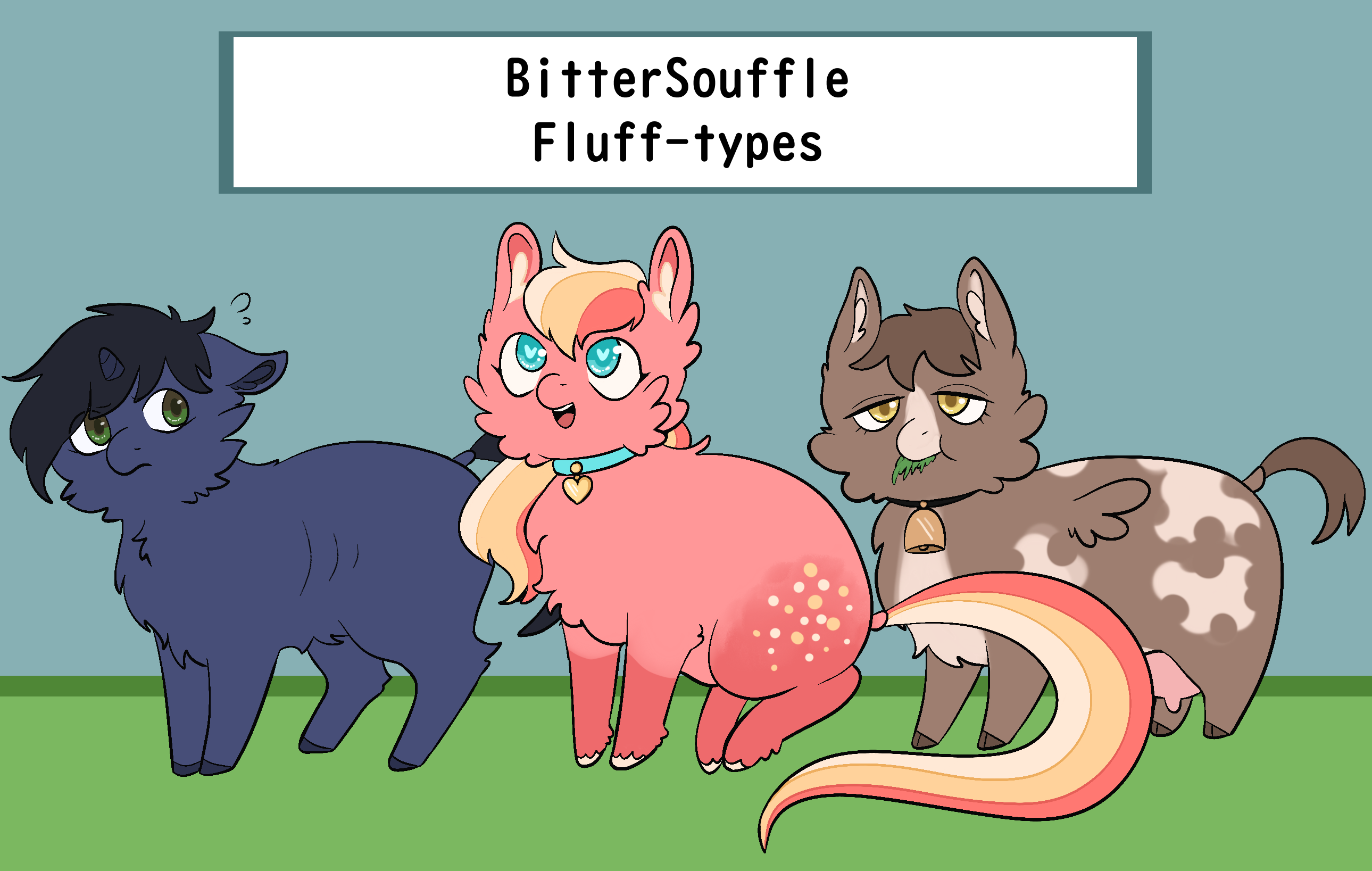
I really love creating stories and worldbuilding, so now that I’ve got a solid basis in my head for my own personal fluffcanon I decided to expand on it a little. As always, I’m open to constructive criticism if any of my “canon” goes against accepted canon, and a lot of this will probably be tweaked as I learn more and explore other avenues.
I’m very much a neutralboxer who can enjoy all kinds of content, so I’ve tried to create sort of a mixed bag world that can work with whatever concept I’ve got rolling around in my head at the time.
Also, as someone who was only vaguely aware of the concept of fluffies in the mid 2010s, I decided to set my main timeline a couple (human) generations after the initial incident of releasing half-baked biotoys that wreaked havoc on the ecosystem. People have gotten things under control and there’s a stark social divide between domestic fluffies kept as pets, and feral fluffies who are generally regarded as pests and vermin.
There are other types I’d like to explore, but I’ll deal with that can of worms later.
DOMESTIC FLUFFIES
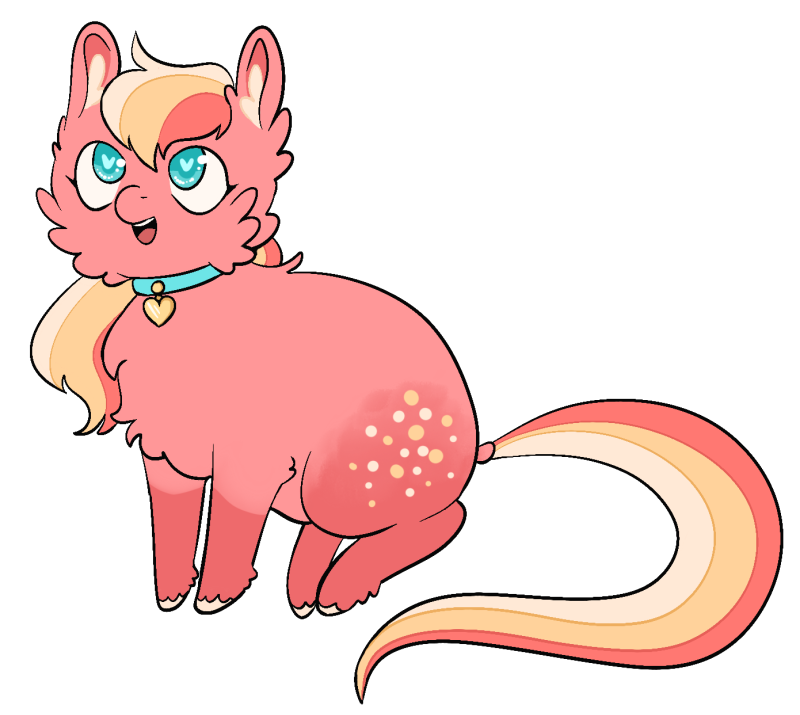
With fluffies being genetically engineered, it left a lot of room for improvement that was capitalized on once the original Hasbio population was culled to a more manageable level. Fluffies with “good” traits were kept and bred for them, and fluffies with “bad” traits often met their ends in a multitude of terrible ways.
Physical traits more commonly seen in domestic specimens include:
- Bright, eye-catching colors
- Brightly-colored hooves
- Multi-colored manes and tails
- Pleasing coat patterns and variations
- Unusually shaped pupils (aka stars, hearts, etc.)
A lost domestic is usually easy to differentiate from a wandering feral. Bred to love and trust humans, a domestic lost from their home will typically seek out help, and is far more likely than a feral to approach a new potential “mummeh/daddeh” if abandoned, especially if they have foals.
FERAL FLUFFIES
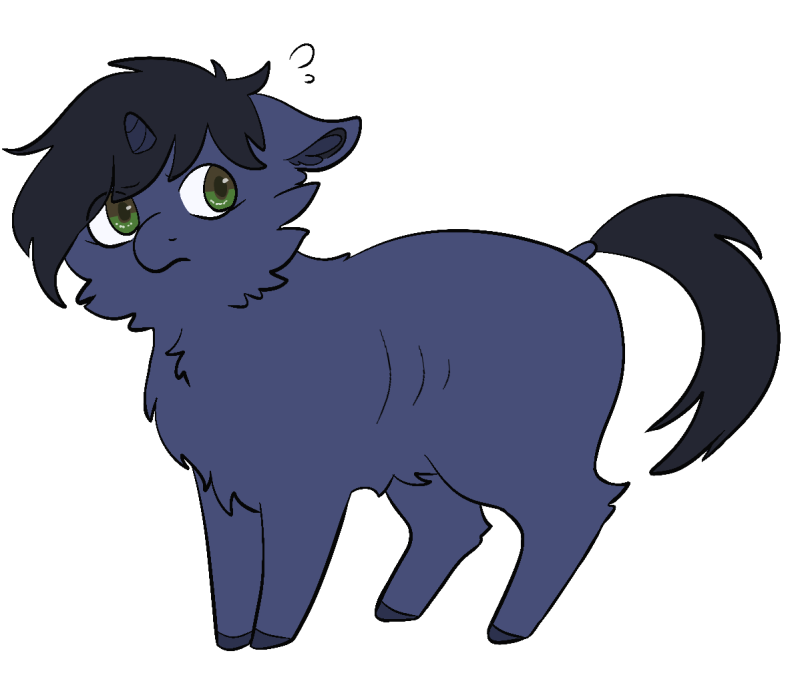
The original Hasbio fluffy ponies had no business attempting to survive outside of a lab environment, but because they both bred so quickly and died so easily, it didn’t take long for the worst of the crop to cull itself. Many decades later, hundreds of generations of fluffies have helped create a slightly better survival rate, though still not quite to the level of a naturally-evolved prey animal.
Most ferals nowadays have learned to avoid humans, forming herds far away from crowded cities and telling their foals scary stories meant to teach them how dangerous life is away from the herd – though you’ll still find the odd feral trying their luck with alleyway scraps every now and again.
Though they retain their initial programming to desire human affection and fabled “sketties”, it has fallen to the wayside in favor of general survival. The young and naïve can be easily tricked by the determined abuser, however, as they are still just fluffies.
Bonus
MEAT & DAIRY FLUFFIES
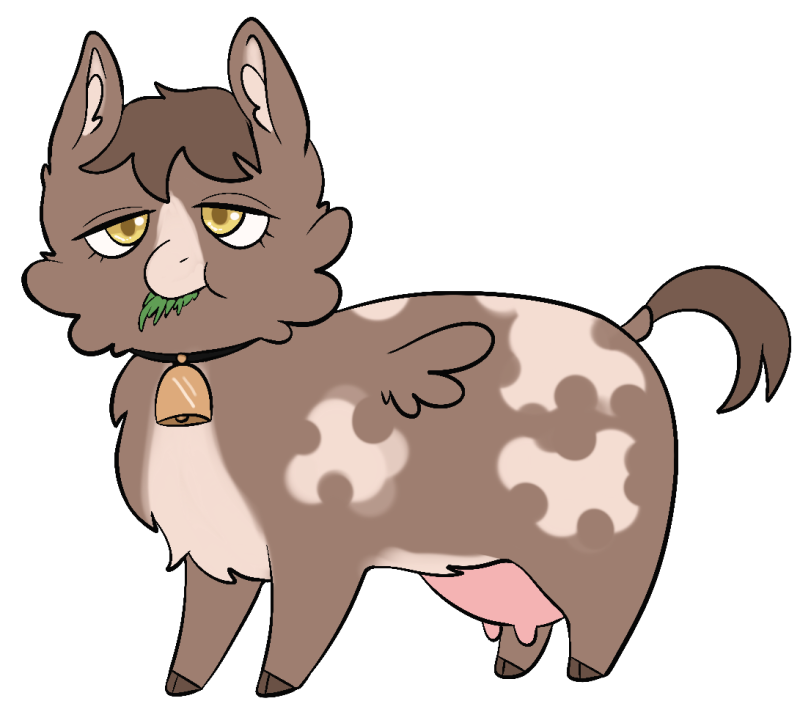
In the early days of farming fluffies, with very few regulations and a multitude of diseased individuals finding their way into the supply, it didn’t take long for several environmentally-devastating events to take place. One of these involved the near-extinction of most common bovines, and though efforts are in place to revitalize the species, other efforts have focused on perfecting certain strains of fluffy pony into a cow replacement – something that has gone surprisingly well in the wake of other terribly-executed ideas.
“Farm fluffies” as they’re usually known have undergone more actual genome tweaking than the household domestic, containing a higher concentration of swine and bovine DNA. This has given them the traits of split hooves and chewing cud, something that was necessary in order to produce kosher and halal variants of their products.
Slow, short-legged and EXTREMELY dumb, these fluffies have taken the place of most beef and dairy products now on the market, with far stricter regulations in place to prevent more ecological disasters. Meat-fluffy abattoirs are also a popular place to dump unwanted pets, as no law prevents domestic fluffy meat from entering the supply chain as long as it’s free from disease. Ferals, however, are illegal to be used for commercial-grade consumption – though this doesn’t stop some shadier operations from making good use of a feral herd encroaching on their farmland.
I’m tired of staring at this, I hope it’s an entertaining-enough read. I’ve got plenty of other miscellaneous ideas surrounding “breeds” of fluffy but I’ll deal with that later. For now, actually writing a story?? Maybe…