Previous episode
Overview of Hermit Microfluffies subspecies
Been drawing this one up for a while where I’ve had time! I love nature documentaries as well as the documentary-esque content that folks make on here 
On today’s episode, we look at a subspecies that was first documented by myself. Hermit microfluffies are a coastal subspecies that independently evolved from the Hasbio™ standard microfluffy. They exhibit a unique appearance along with one particularly unique behavior: wearing their homes on their back.
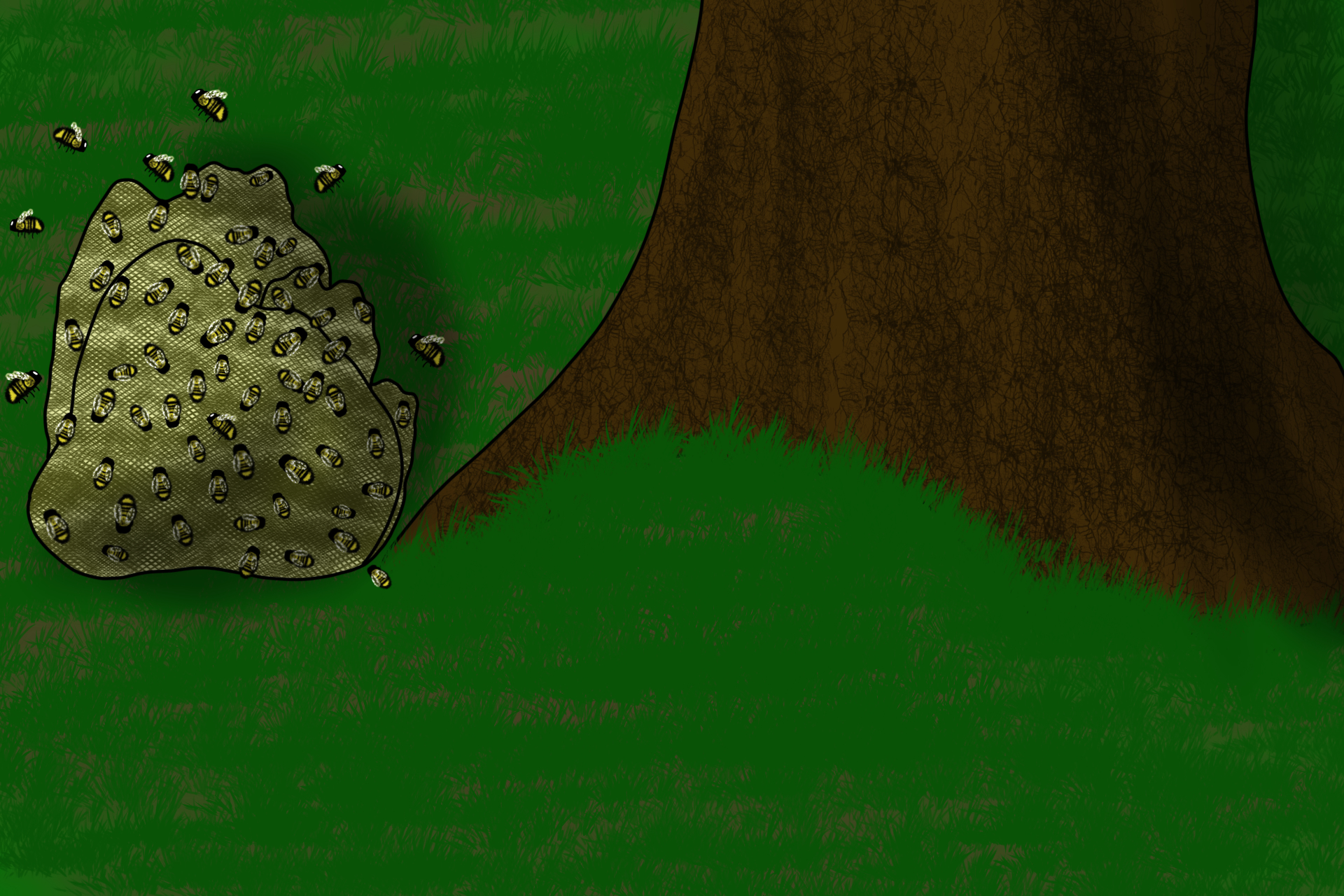
Near the sandy beaches of Miami, efforts to revive the local pollinator population have produced immaculate results. Wild honeybees have taken to nesting in these areas thanks to a combination of protective laws and nectar-rich flora.
Here, we see one of the more impressive nests in the area. Due to its weight, it could no longer support itself in the tree that these bees once called home.
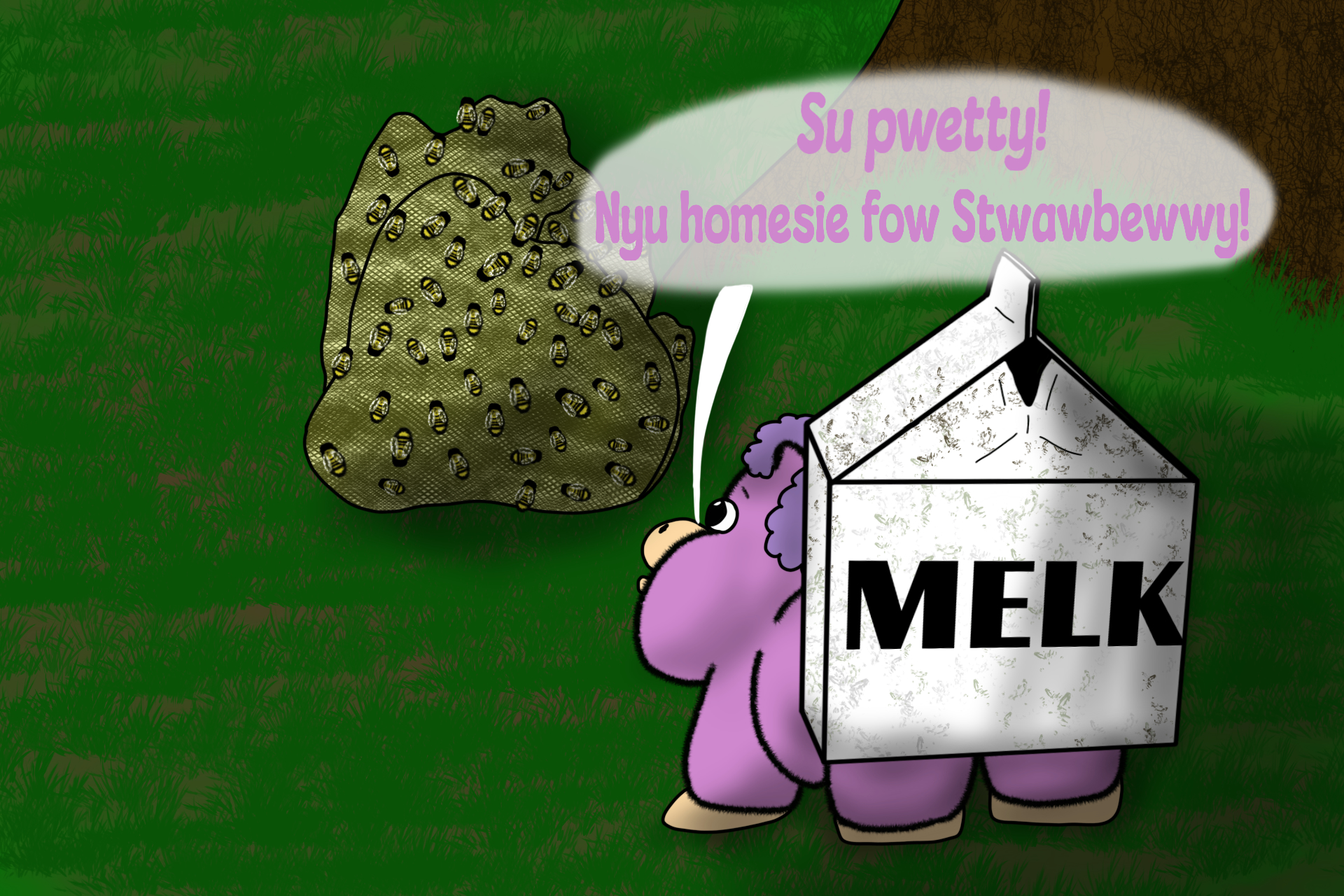
This fallen beehive has has attracted a curious explorer. She seems to appreciate the hive’s natural beauty.
Based on her comment, it’s clear that she intends to appreciate the functional aspect of this natural beauty as well. She’s found a clear upgrade from the milk carton she currently takes shelter in.
Gently, she picks at the weakest point of the fallen hive and slowly inserts her rear into the opening. The waxy substance that makes up the hive’s combs is weak enough to allow her entry, but strong enough to maintain the integrity of the bees’ home.
In most cases, this would be percieved as a threat to the colony. However, these bees are seemingly not hostile. However, it would be more fitting to say that they are sedated. The lack of competition for feeding opportunities has allowed the bees to feast on the sun-baked nectar of the local flowers. The intense direct sunlight has caused the nectar to ferment and produce ethanol.
These bees are drunk.
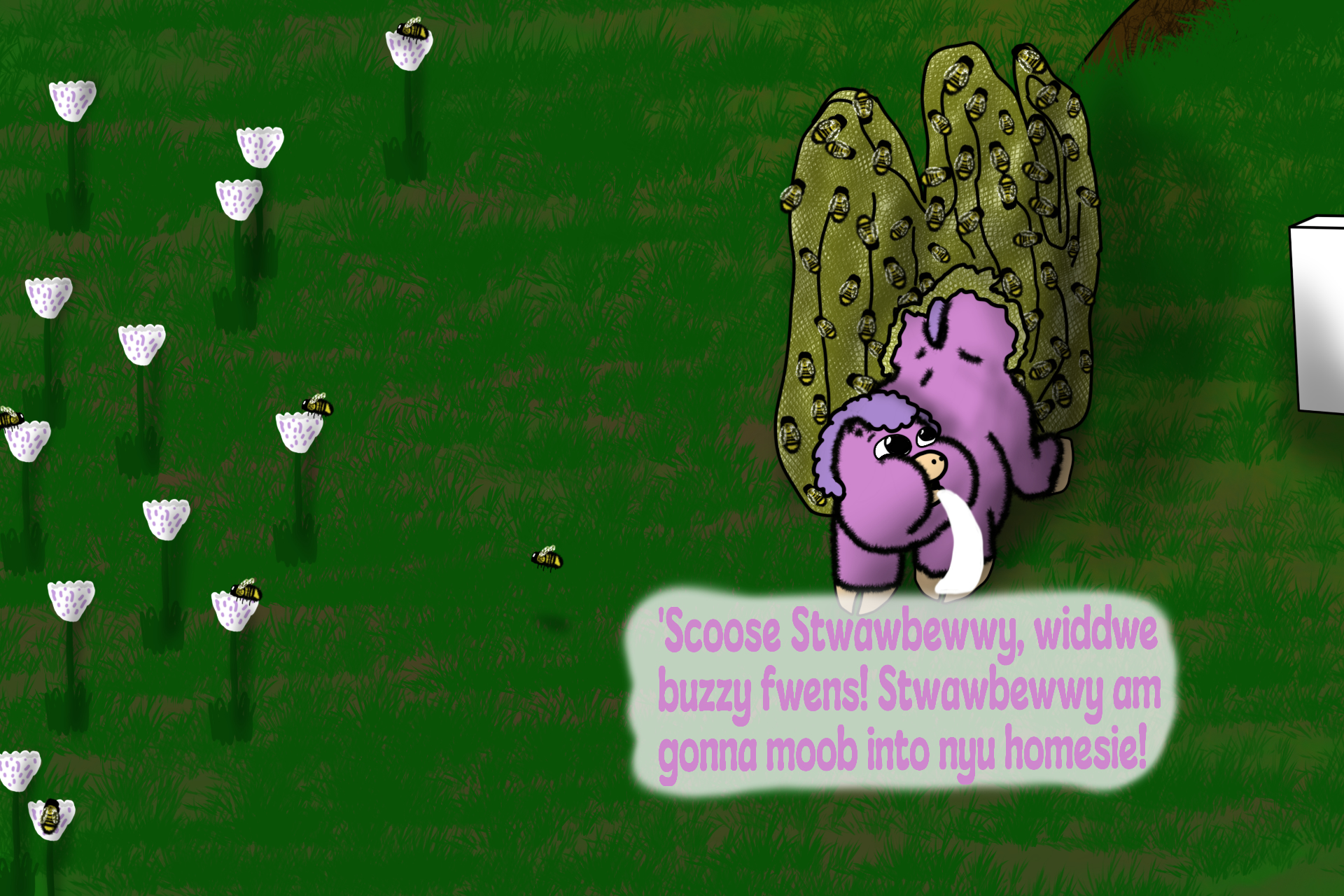
The young mare, at the height of joy for a hermit, makes her way to the soft sandy beach where she was born. Unaware of why, she trots along, unchallenged by any would-be threats such as dogs, birds, or other wildlife that commonly feast on the easy meals that an unhidden hermit stands to be. Her new choice of home has already begun paying off.
Her voyage to the shore is a call to her nature. Hermit microfluffies may be found near shorelines at any stage of life, but pregnant mares will always seek their claim to bed down in the warm sands of the beach. Soon, she will birth her own litter of foals.
As she approaches the beach, another kind of threat makes an appearance.
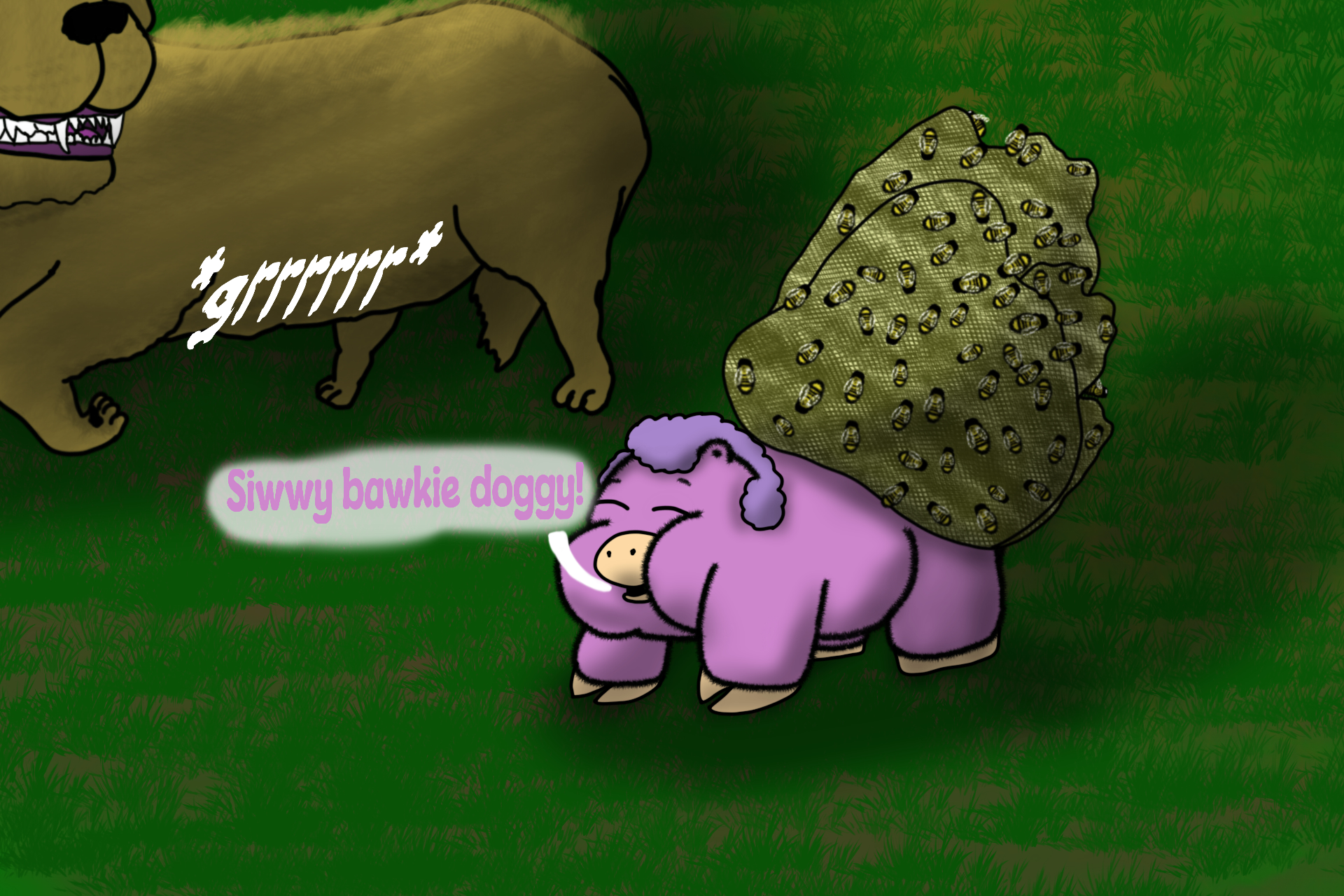
A large, strong male hermit surprises the young mare. Feral fluffies are often territorial creatures. This is shared in microfluffies as well as hermits. With no shell, hermits may exaggerate this behavior due to arrogance or as a ploy to make themselves less desirable as food.
The male, guided by his current mate, makes his intent clear. He intends to claim the young mare as a new member of his herd. As the alpha (or smarty as they call themselves), he intends to enforce his claim through mating. This act is usually quite rough when performed by dominant males and could kill any gestating babies the mother may have in her womb. Because of this, current mates may guide the smarty to other females, especially those outside the existing herd.
Using his cloven front hooves, the smarty male grabs wherever he can on the body of the young mare, preventing her from retreating into her shell.
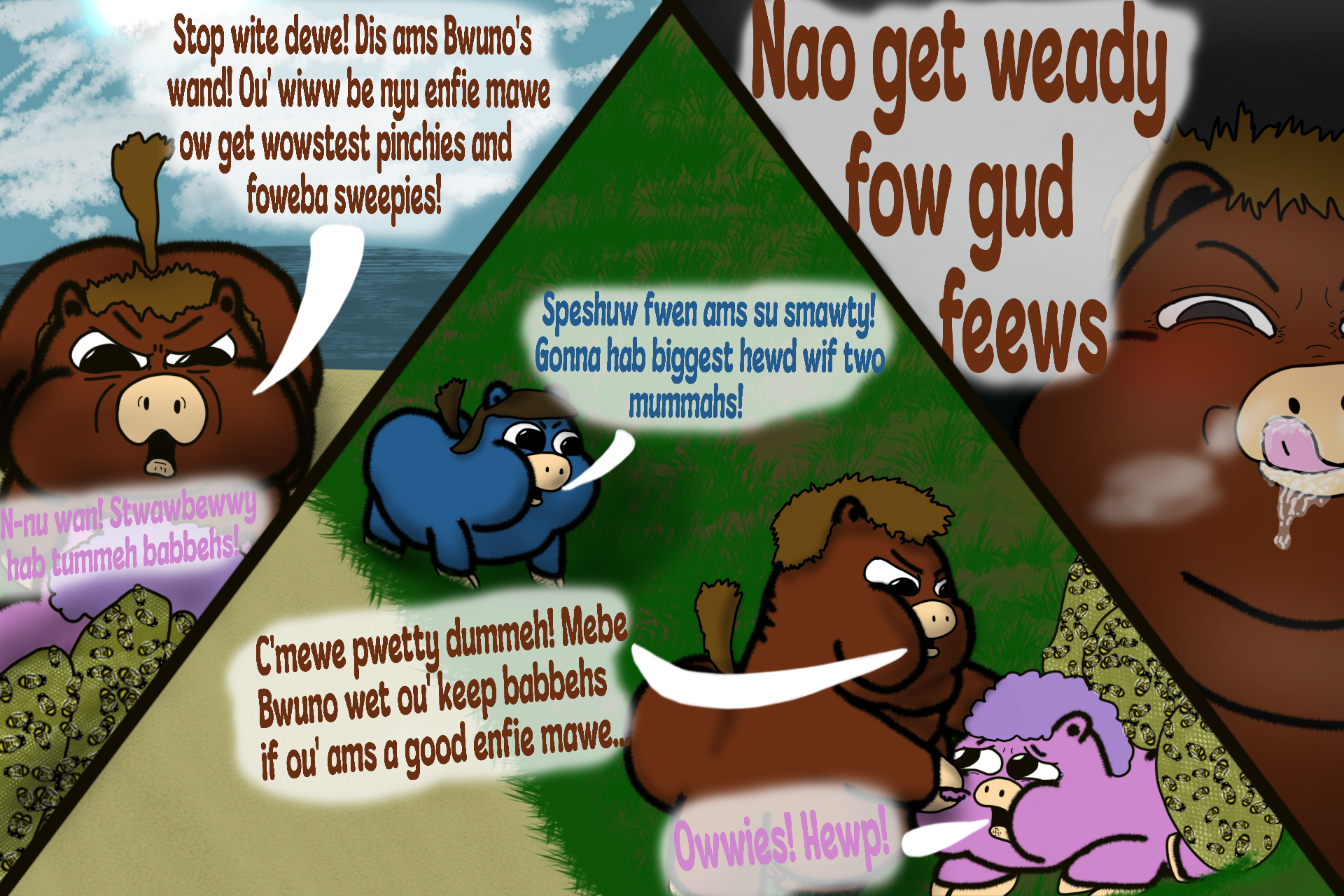
However, time has passed since the bees have had their last drink and they have begun to sober up. In the time they’ve ridden as passengers upon the young mare’s backside, they’ve acclimated to her scent and now see her as part of the hive.
This act of aggression from the smarty male will not stand. Hundreds of worker bees charge forth in defense of the hive.
For hermits, just ten bee stings can be lethal. The smarty receives at least 10 times the lethal dose. His mate seemingly makes a clean getaway. That’s of no concern to our protagonist though. She has work to do in order for her babies to be born comfortably and safely.

The warm sands of the beach combined with a careful selection of grass and beach litter form a soft, insulated bed that the young mare will use for birthing her foals. The thick mounds of sand prove useful to keep the warmth trapped in the hole that the hermit will diligently dig. Satisfied, she prepares herself to give birth. This is one of the few times hermits willingly remove their shells.
With a few heaving pushes, she expels four foals. Each one is healthy with vibrant colors.
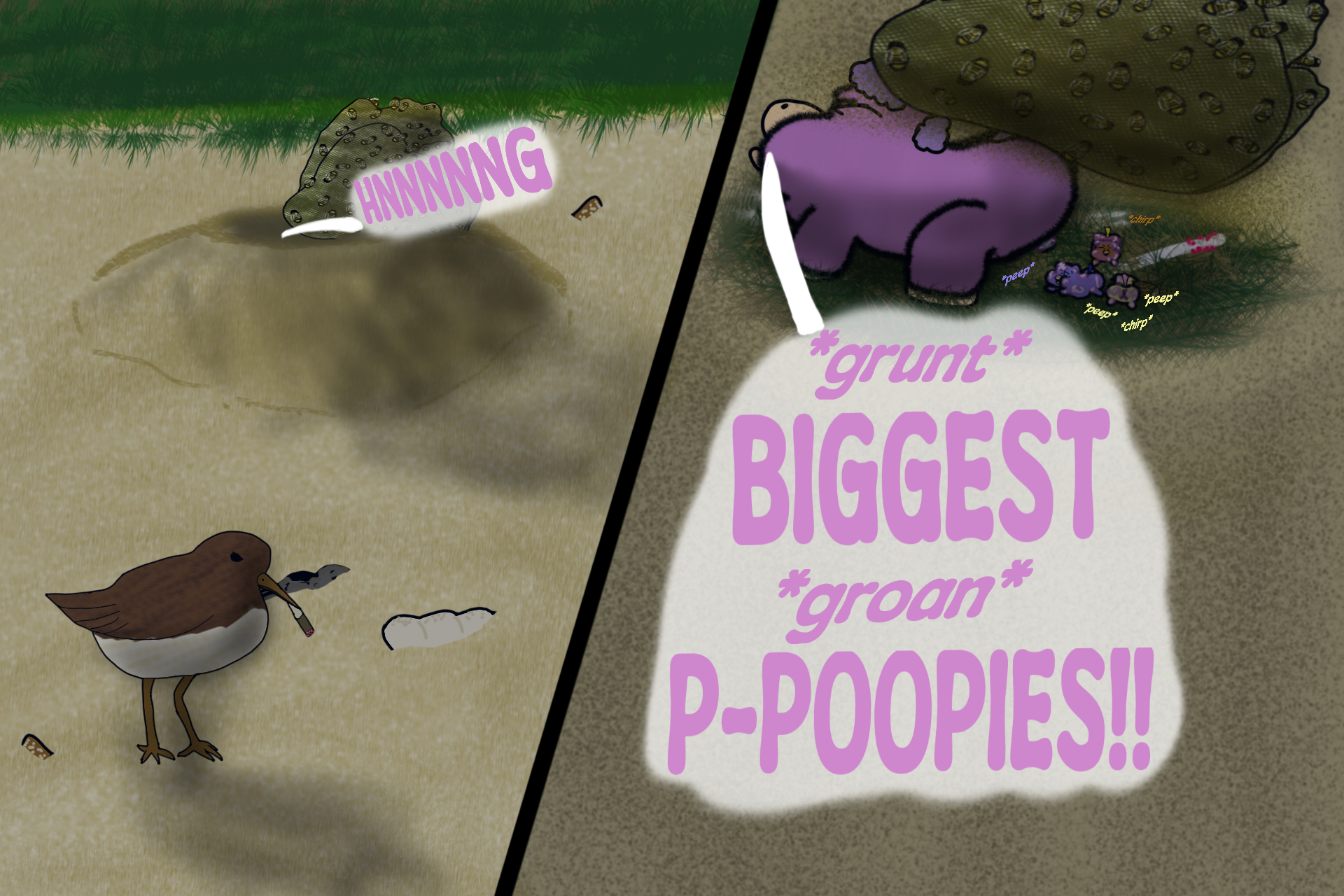
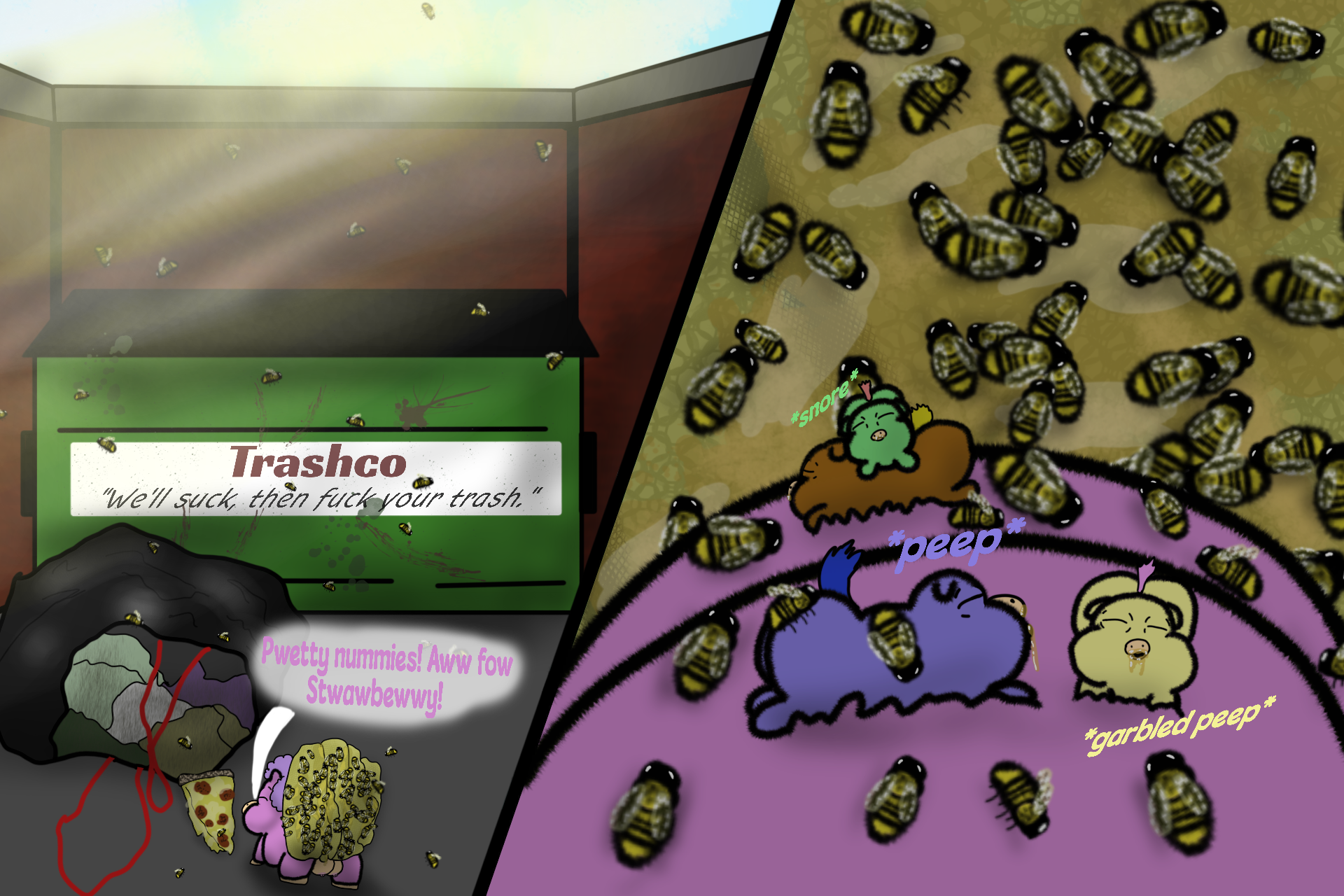
Hungry worker bees intercept the mother’s usual responsibility for cleanup. The amniotic fluids that coated her young during gestation make a nutritious meal for the hive. These foals are also ripe with their mother’s scent, and are quickly welcomed into the hive.

As days come and go, the mother will eventually place her foals carefully on her backside before she reinserts herself into the shell. This allows her to leave the shore in search of food. With avid defenders, she can explore and feed herself without fear of being attacked. Just as well, the bees get more feeding opportunities.
Inside the shell, the bees also continue their roles as nannies not only for their larvae, but also for the foals in order to sustain a calm work environment in the hive. Chirping foals are met with sweet honey, satiating their hunger and quieting any distress in the hive.
This particular hermit family, along with their new bee companions, will likely continue to thrive should nothing unexpected happen.
Elsewhere, it seems the former mate of the smarty from the beach made a mental note of the protection that her would-be victim was employing. She made a search for her own personal protectors and it seems she’s found them.
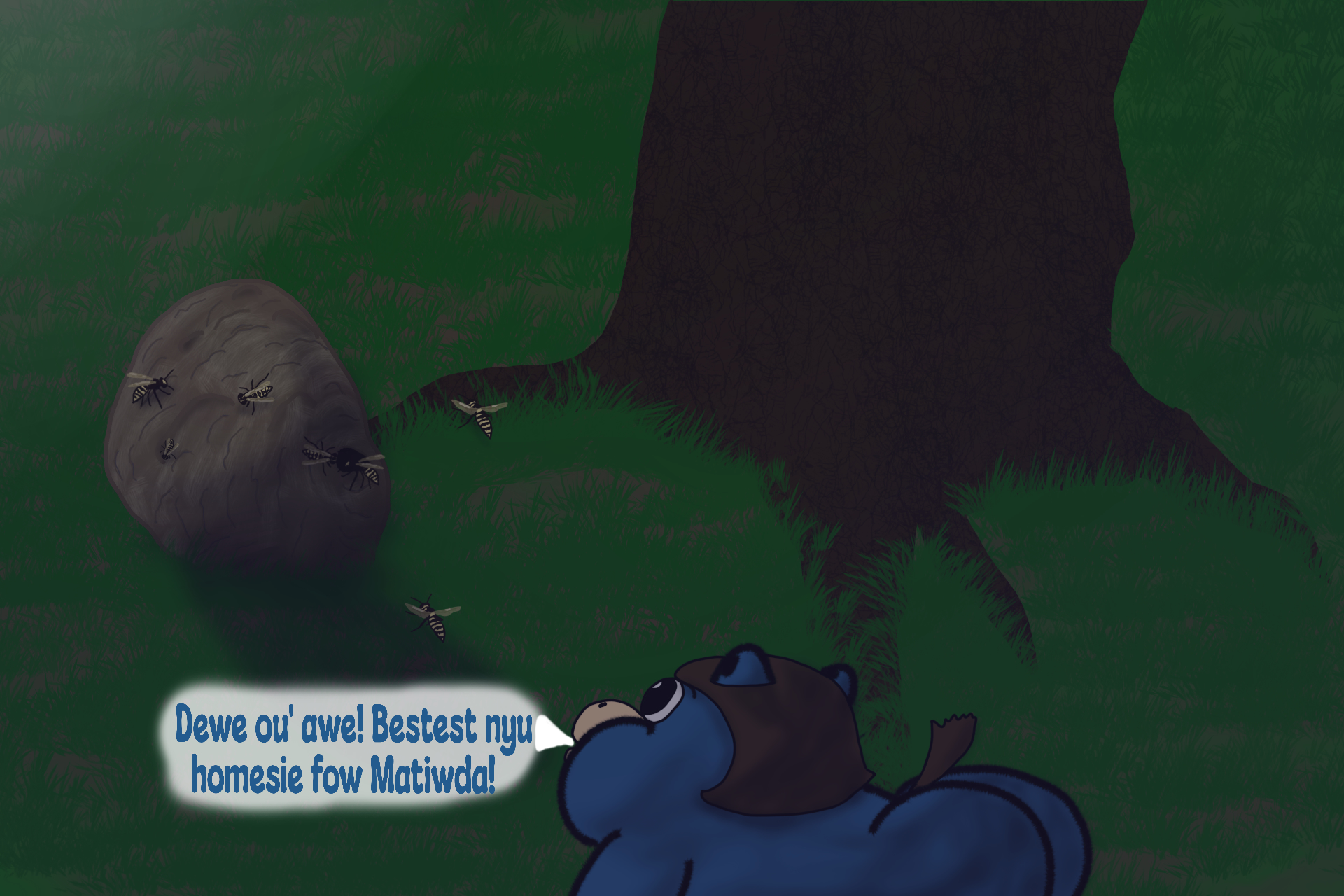
Eagerly, she shoves her rear into the fallen nest. The thin, crumbly paper gives way to her forced entry and the single combination exit/entrance that was used by the nest’s inhabitants is sealed. These inhabitants, though, are not friendly nectar-drunk honeybees.

These are angry, carnivorous wasps.
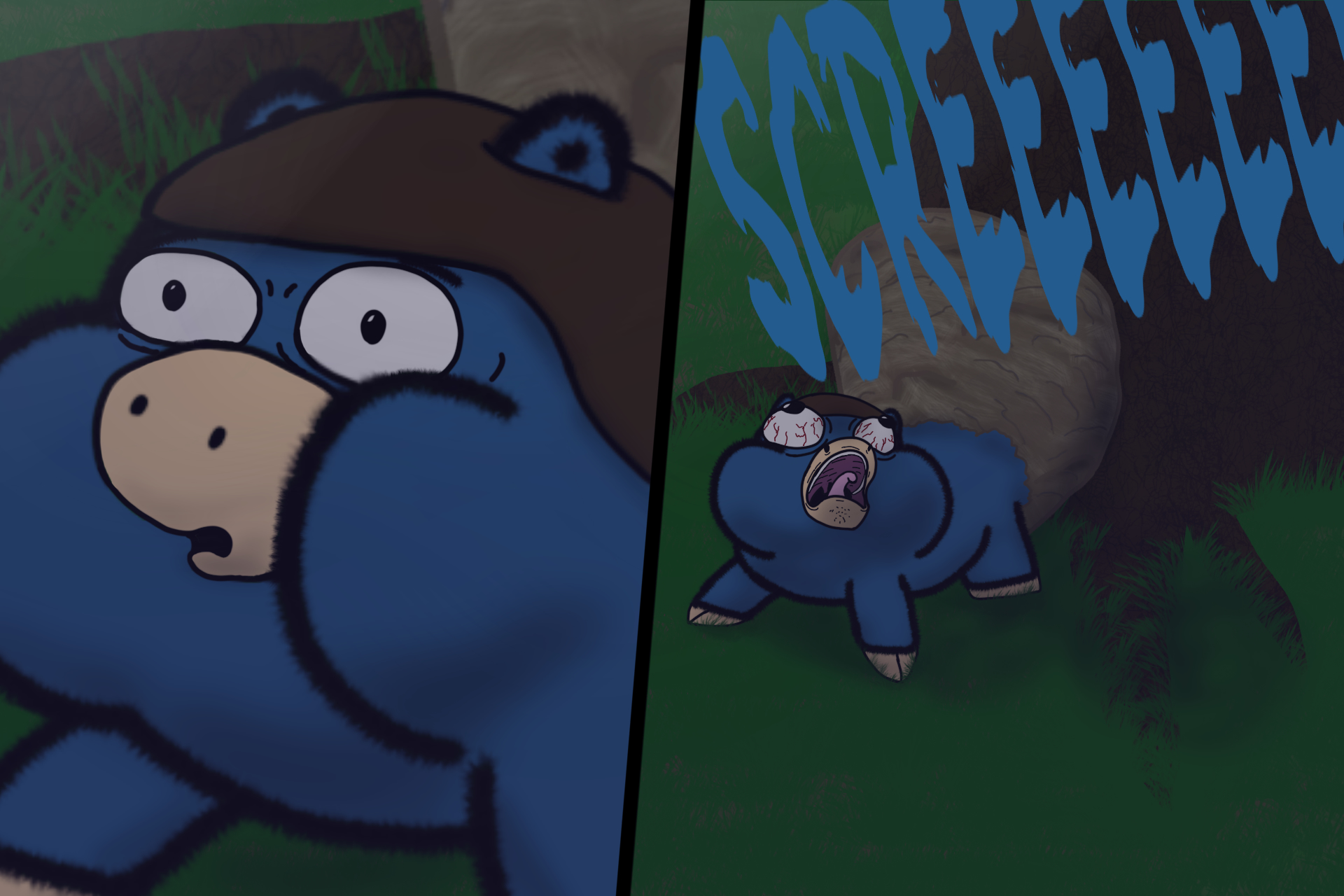
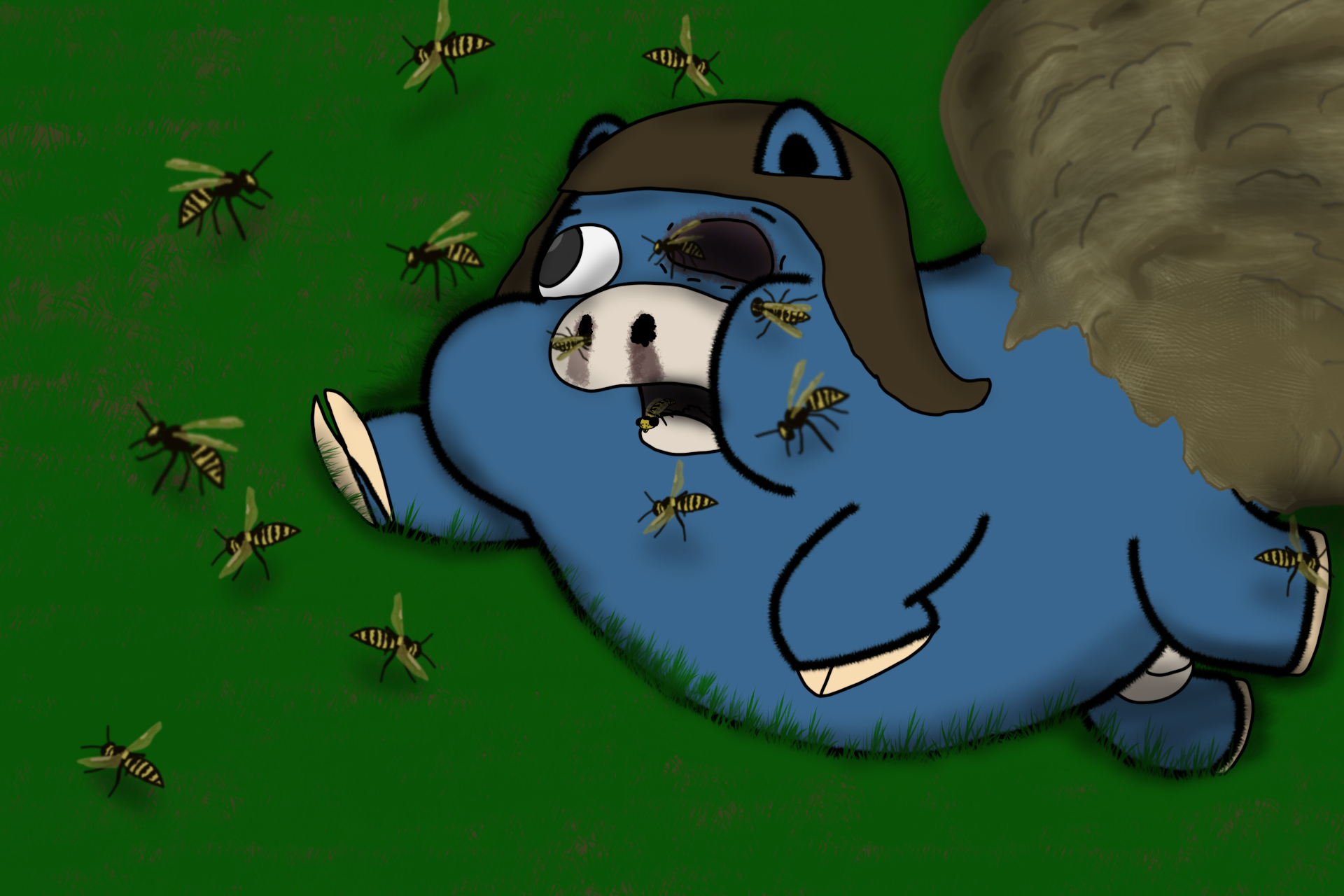
The blue mare cries in pain as she is immediately subjected to repeated stinging and biting. Her body immediately reacts by swelling, sealing the nest on tightly with no hope to wiggle out.
Wasps begin seeking an exit to continue their assault on their attacker, though they are quickly made aware of the blockage. When all else fails, they dig. Using both the rectal and vaginal passages, along with some help from their powerful mandibles, the wasps rip and tear their way through the unlucky mare’s internal organs and unborn babies.

The mare succumbs to her injuries long before the wasps break free from confinement. Her flesh provides a bounty of food for the colony. The wasps will prosper until they are eventually removed either by humans, predators, or other rival wasp colonies.
Previous episode
Overview of Hermit Microfluffies subspecies